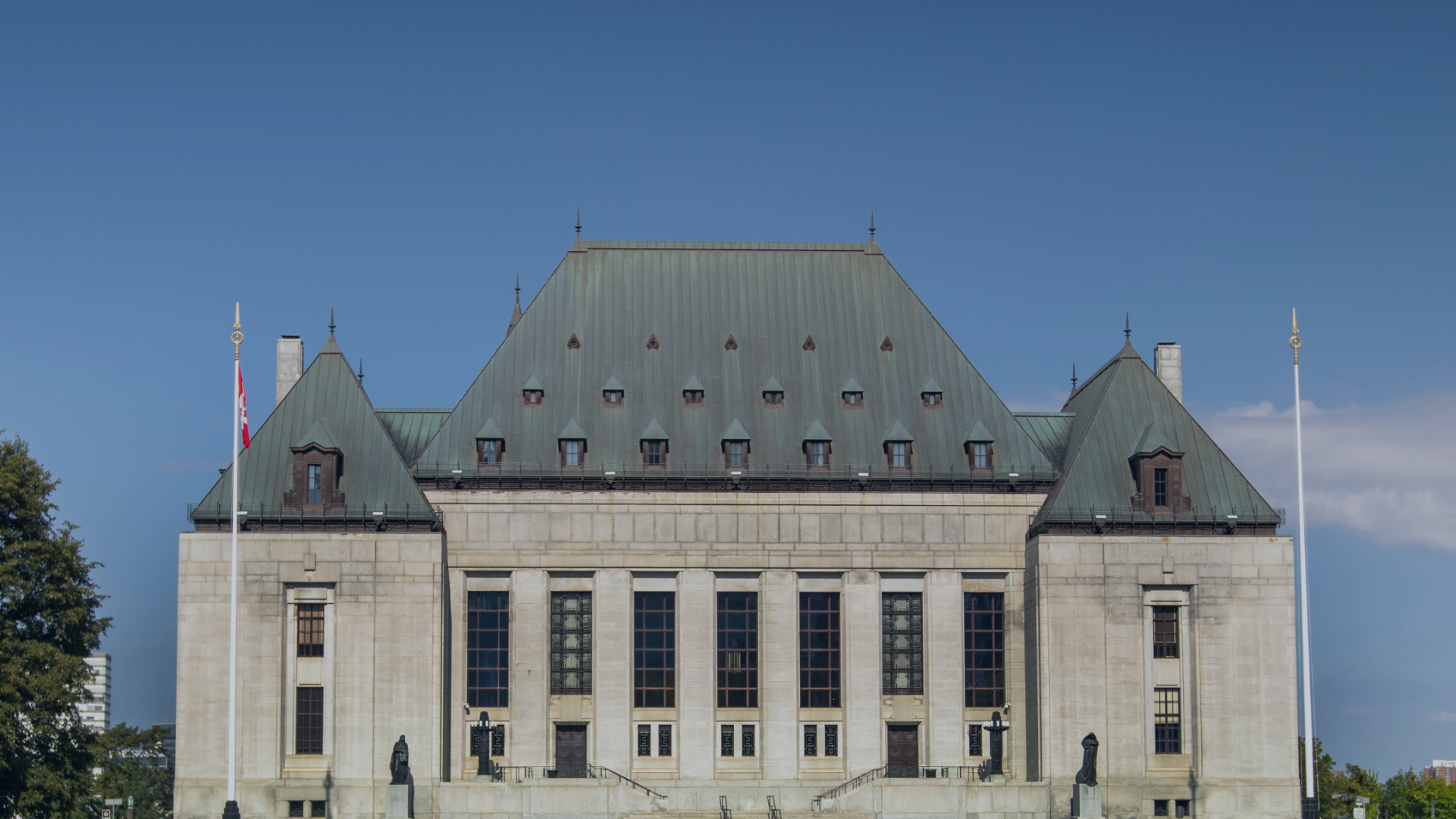
Ahluwalia v. Ahluwalia
An analysis of what the Ahluwalia decision means for family law practice.
This 1.5-hour webinar examines the implications of Ahluwalia on family law, focusing on the myths and stereotypes present in family violence files. Participants will gain practical insights into recognizing and challenging these myths and stereotypes in legal practice.
verified1.5 CPD Credit - Eligible for 0.5 Ethics/Practice Management
play_lesson 1.5 hours
local_offer CA$175
Rise Women's Legal Centre and West Coast LEAF jointly intervened on the seminal case of Ahluwalia v. Ahluwalia 2026 SCC 16, to present the impact of gendered myths and stereotypes on courts' assessments of allegations of intimate partner violence in family and civil claims, and to ask for a prohibition against reliance on these myths and stereotypes in such claims.
In this webinar, Kate Feeney, Director of Litigation at West Coast LEAF, and Gita Keshava, co-counsel for Rise and West Coast LEAF, discuss the implications of Ahluwalia on the many myths and stereotypes that continue to be pervasive in family violence files, including the minimizing of non-physical abuse and the presence of violence post-separation.
-
Myths and Stereotypes
Law on IPV M&S before Ahluwalia
Ahluwalia v. Ahluwalia, 2026 SCC 16
WCLEAF and Rise Submissions
Lawyers Professional Obligations
Objections
Creating a Record
Considering an Appeal
-
Discuss the concepts of myths and stereotypes about intimate partrner violence and their effect in legal proceedings.
Discuss the law on myths and stereotypes about intimate partrner violence prior to Ahluwalia.
Summarize the Supreme Court of Canada’s key findings in Ahluwalia, particularly its discussion of myths and stereotypes relating to intimate partrner violence.
Develop practical strategies for integrating Ahluwalia into litigation strategy concerning myths and stereotypes about intimate partrner violence.
-
Kate Feeney (she/her) is based on the homelands of the xwməθkwəy̓əm (Musqueam), Skwxwú7mesh (Squamish), and səlilwətaɬ (Tsleil-Waututh) Nations. Kate is the Director of Litigation at West Coast LEAF. She holds a law degree from the University of Victoria and a bachelor’s degree in international relations from the University of British Columbia. Since her call to the bar in 2014, Kate has worked as a non-profit or legal aid lawyer in a variety of areas, including administrative, constitutional, human rights, and family law. She has both helped people use the law to achieve their individual goals and litigated cases with the aim of systemic law reform.
Gita Keshava (she/her) is a partner at Ethos Law Group LLP where she maintains a broad litigation practice. She represents clients in a variety of public and private law matters, including constitutional cases, cases to advance the rights and interests of Indigenous peoples, administrative and human rights law matters, and workers’ compensation issues. She acted as counsel for the Single Mothers’ Alliance in its constitutional challenge to British Columbia’s family law legal aid regime for survivors of family violence. She also acted for West Coast LEAF and Rise Women’s Legal Centre in Ahluwalia v. Ahluwalia.
We offer special student and group pricing to support your learning.
Reach out to education@womenslegalcentre.ca to find out more.
Explore more on-demand trainings.